2-Day Jungle Safari
The full Dudhwa experience squeezed into a weekend — two drives, one forest night.
- 1 night at a lodge near the gate
- Evening + morning safari
- Meals & a guided nature walk
U.P. Forest Division · Lakhimpur Kheri · Terai Arc
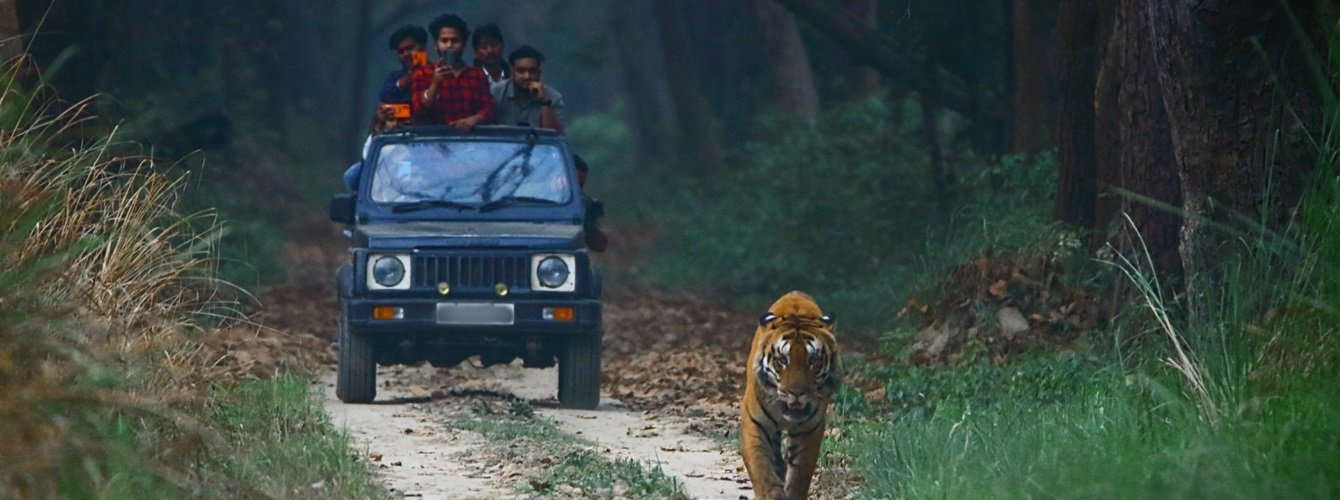
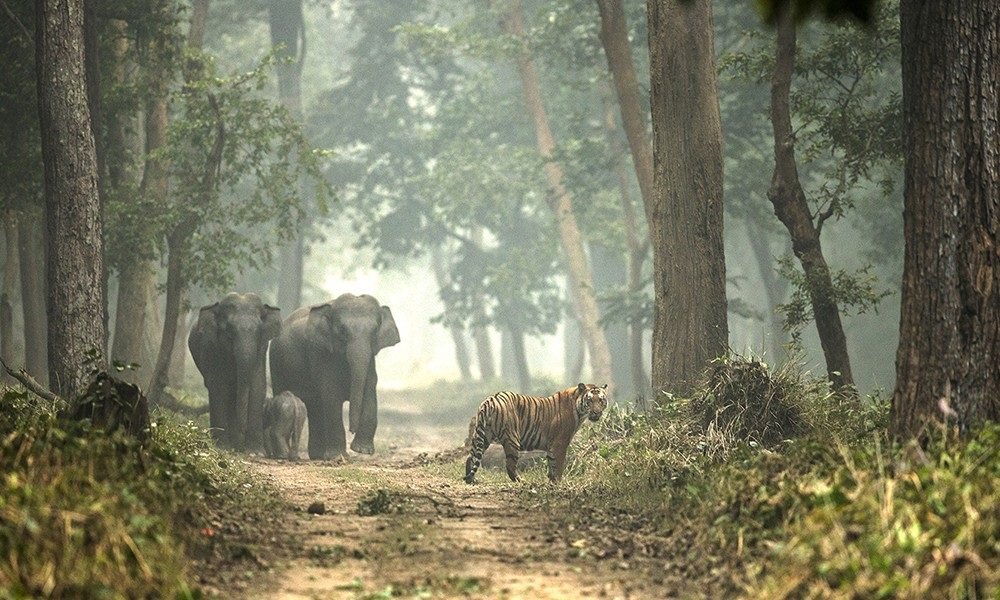
Sal forest, tall grassland and slow river channels pressed against the Nepal border. Tigers, wild elephants and the last great herds of barasingha live here — and two jeep safaris a day go out at dawn and dusk to find them.
Dudhwa sits in the Terai — the band of sal forest, thatch grassland and slow rivers that runs along India’s northern border with Nepal. A little under 500 square kilometres of it stand protected as the national park, forming the heart of a much larger tiger reserve that also takes in Kishanpur and Katarniaghat.
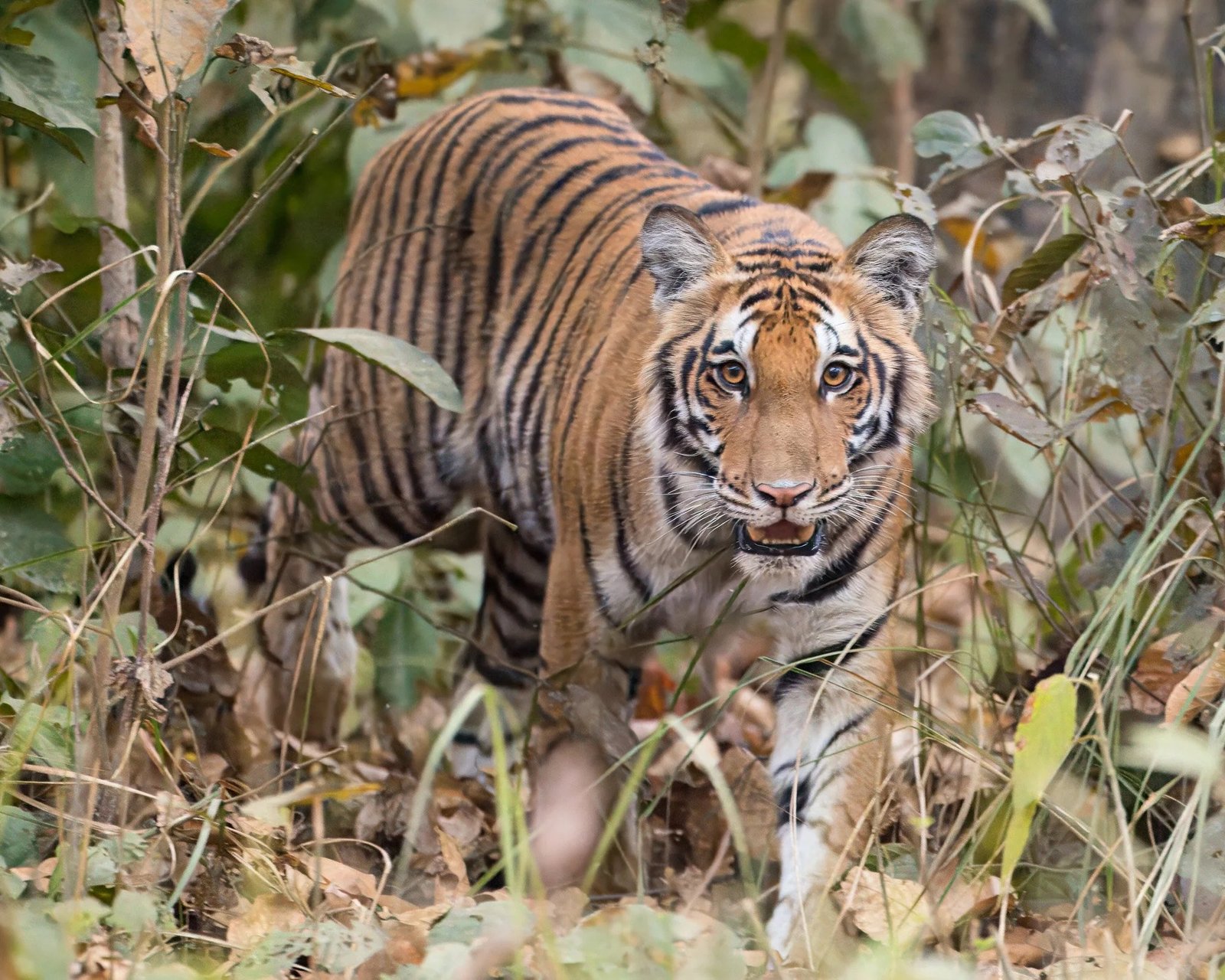
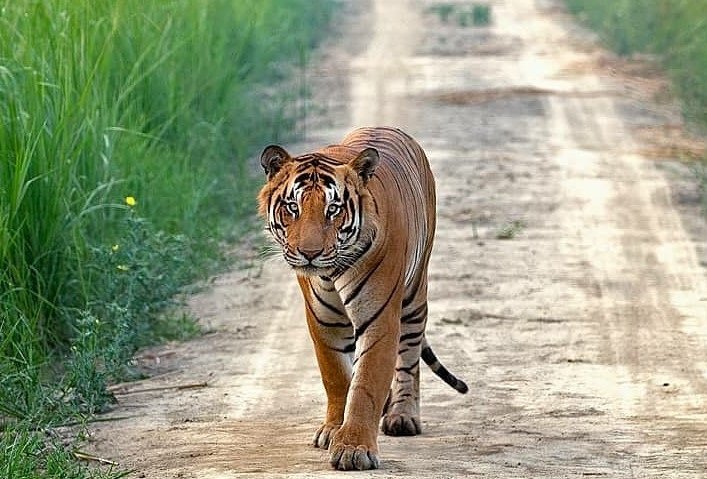
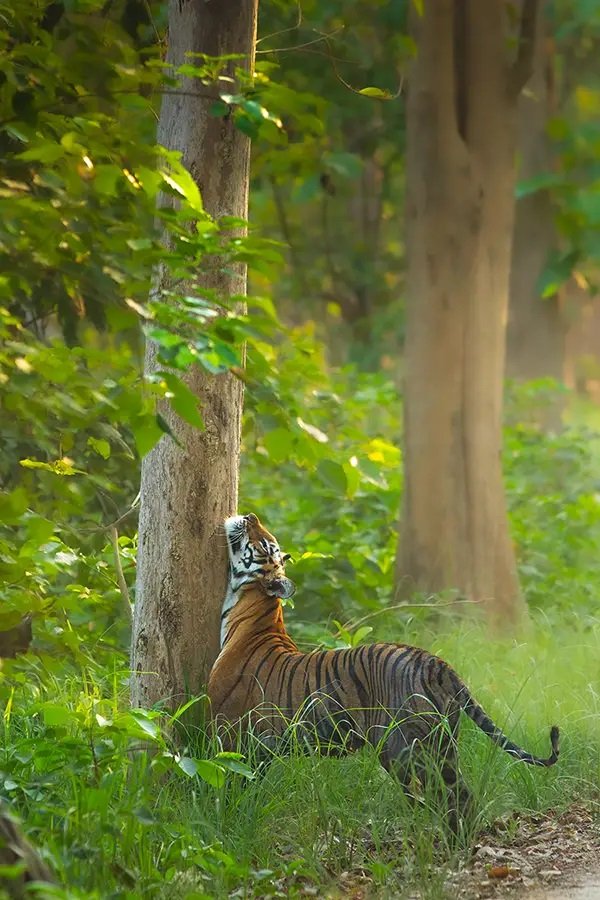
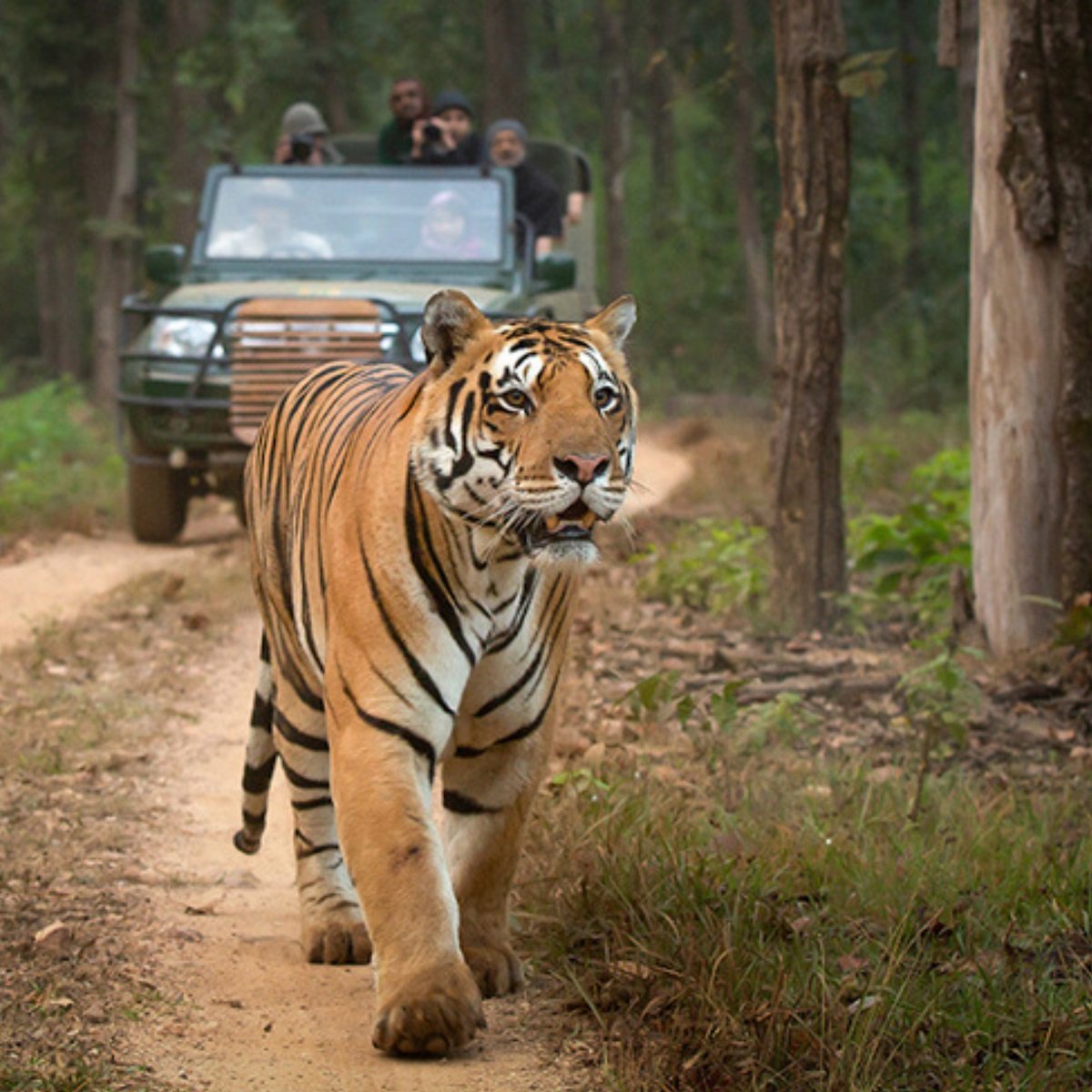
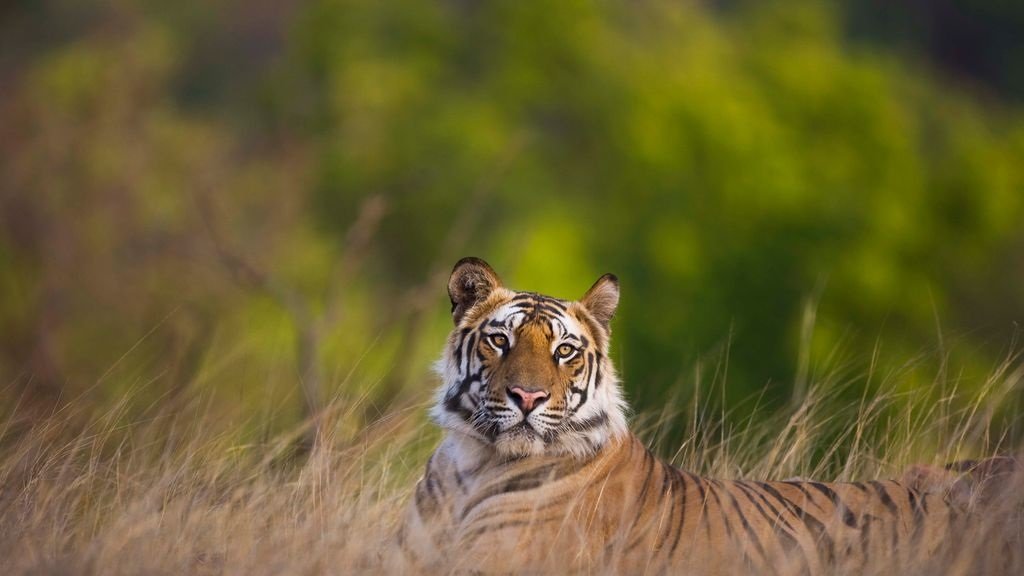
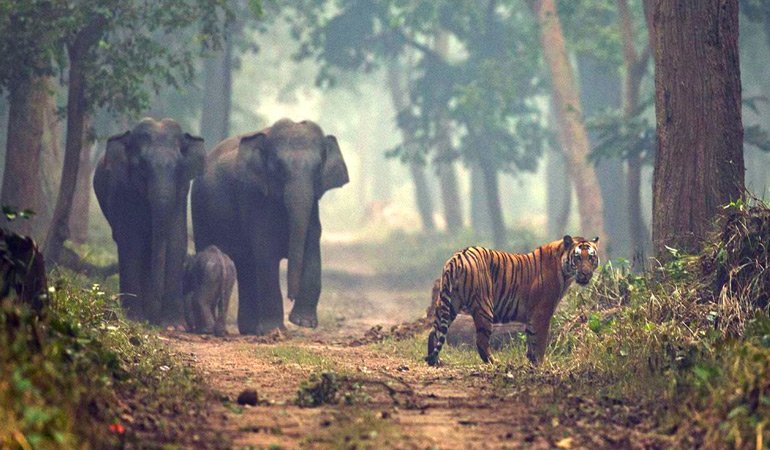
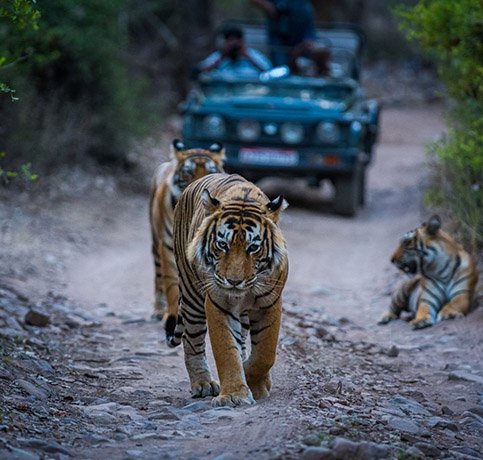
More than 125 tigers live in the reserve. Dudhwa’s founding cats were brought in from Corbett decades ago, and the park has stayed one of the easier places to watch a tiger in open country.
This grassland deer, extinct across most of its old range, still gathers here in winter herds you can count in the hundreds.
Herd after herd moves between Dudhwa and the Nepal forests. Dawn drives along the river channels regularly bump into them.
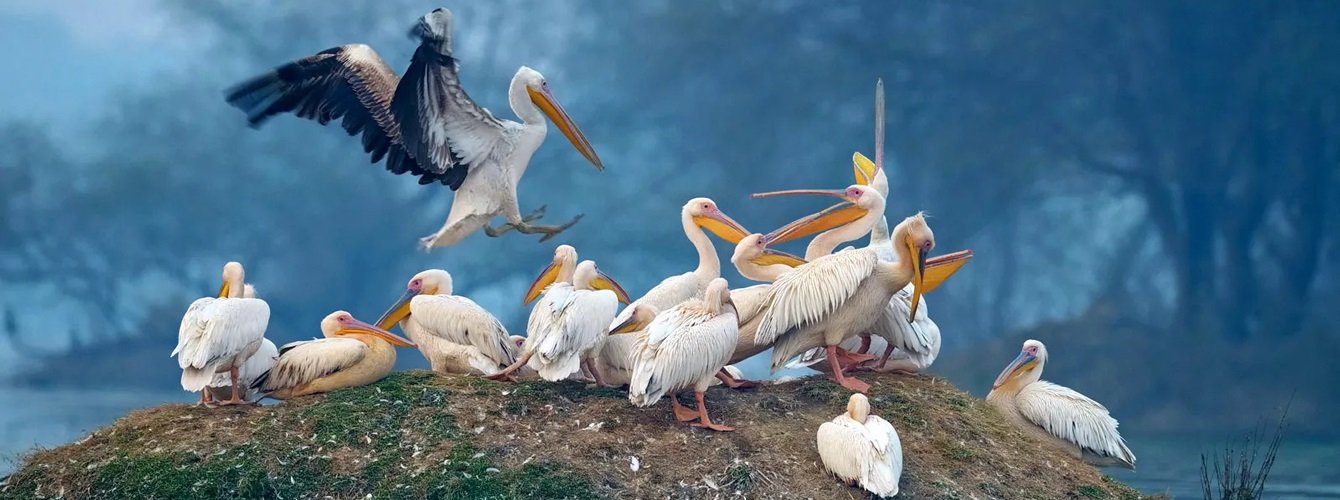
Winter pulls ducks, geese, storks and raptors down from the mountains; kingfishers, barbets and hornbills hold the sal canopy all year.
The thatch meadows of Dudhwa open the view the way few Indian tiger parks do — you can watch an animal from a kilometre away.
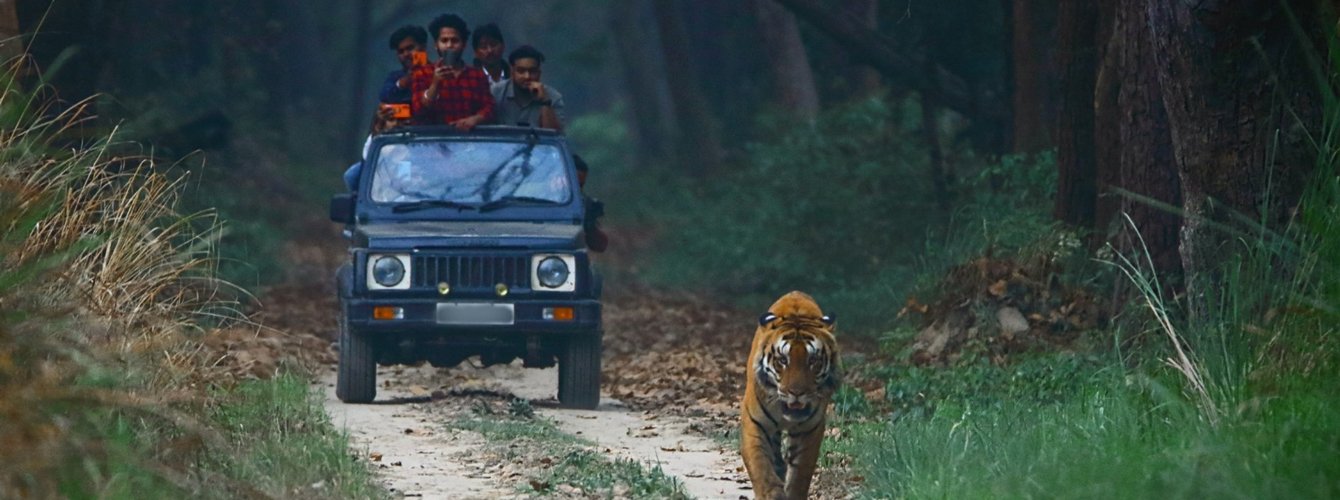
The daily vehicle quota stays low and the crowds stay small. A slow safari here beats a queue at a busier park.
The core zone caps safari vehicles every day, and the slots for November to March go first. Book your jeep and forest permit together, ideally 30 days ahead. We handle the paperwork for you — call +91 82850 17060 or use the form below.
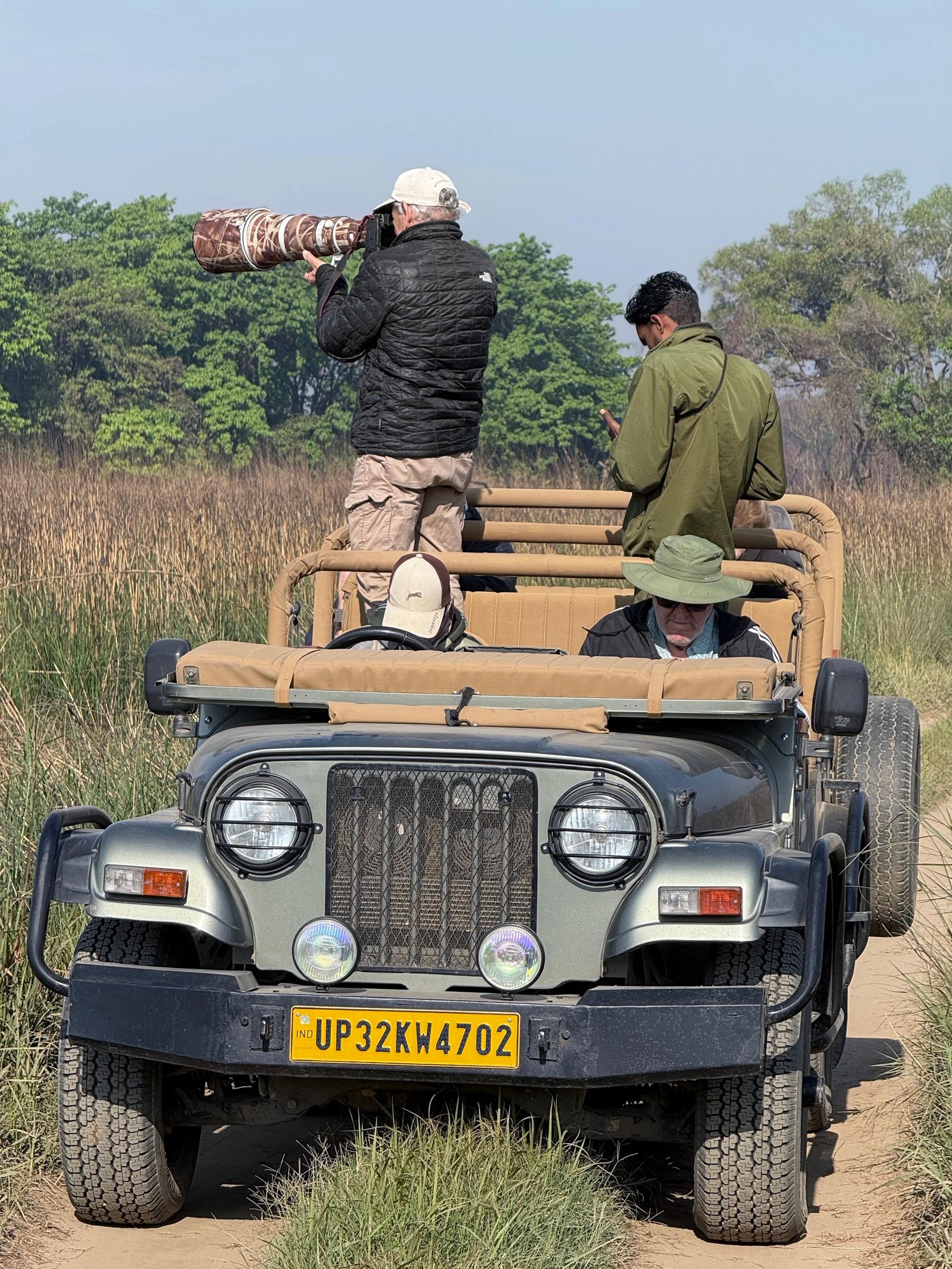
Safaris run twice a day out of the park gates — 6:00 in the morning and 2:00 in the afternoon — into the core zone. Tell us your date; the permit, the jeep and the guide are our job.
Fill this in and we confirm your slot on WhatsApp or a phone call — usually within a few hours.
Group rate from 6 guests · student concessions available.
Tell us your travel days and how many of you, and we’ll work out the best slots, route and stay — no hard sell.
+91 93199 77060 [email protected] WhatsApp the deskChoose a length — we add the permits, the jeeps, the meals and the beds. Every package runs with a certified guide and our own support team at the gate.
The full Dudhwa experience squeezed into a weekend — two drives, one forest night.
Extra drives and a full day across the reserve — for serious sighting time.
Slow mornings, safe jeeps and campfire evenings — built around the kids.
Golden-hour drives and a field guide who knows where the light falls.
Meetings in the morning, tigers by evening — an offsite nobody forgets.
School groups, researchers and travellers with a wishlist — we build your days from scratch, around your dates.
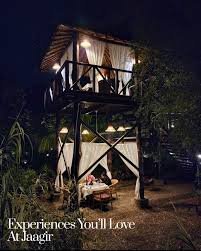
Every property below sits minutes from Dudhwa’s main gate — you leave the porch, queue for the jeep, and you’re inside the forest before the sun clears the sal.
Wide windows facing the tree line
Hot showers and a campfire to end the day
Clean beds a short walk from the gate
Tell us your budget, group size and how much time you want at the lodge — we’ll shortlist 2–3 places and book the bed along with your safari in one go. Call +91 82850 17060.
The species that show up on an average drive — and the one rare deer Dudhwa is world-famous for.
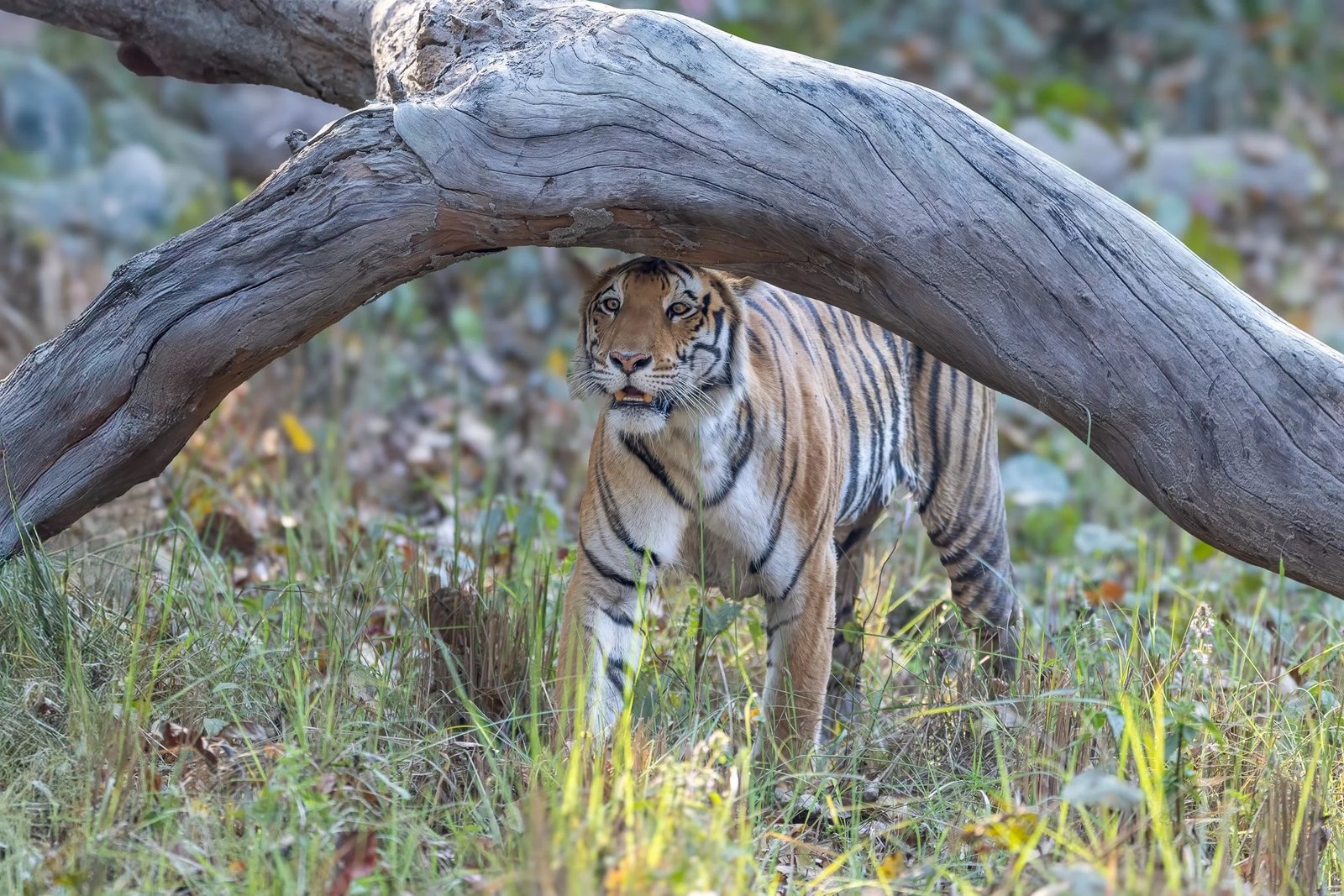
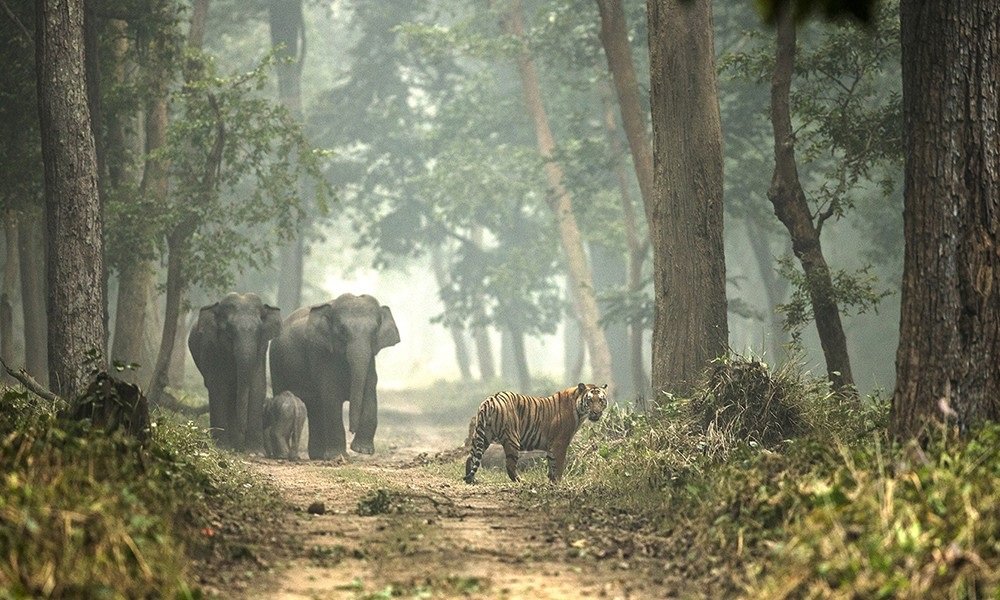
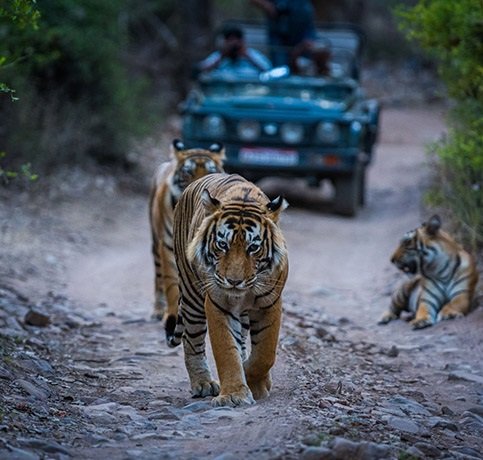
125+ tigers hold this reserve. On a dry February morning you can watch one work the edge of a waterhole from a grassy rise.
Best on sunrise drives
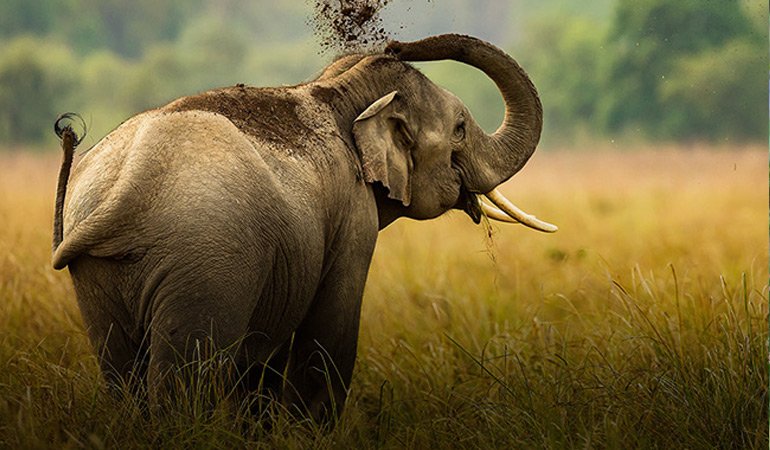
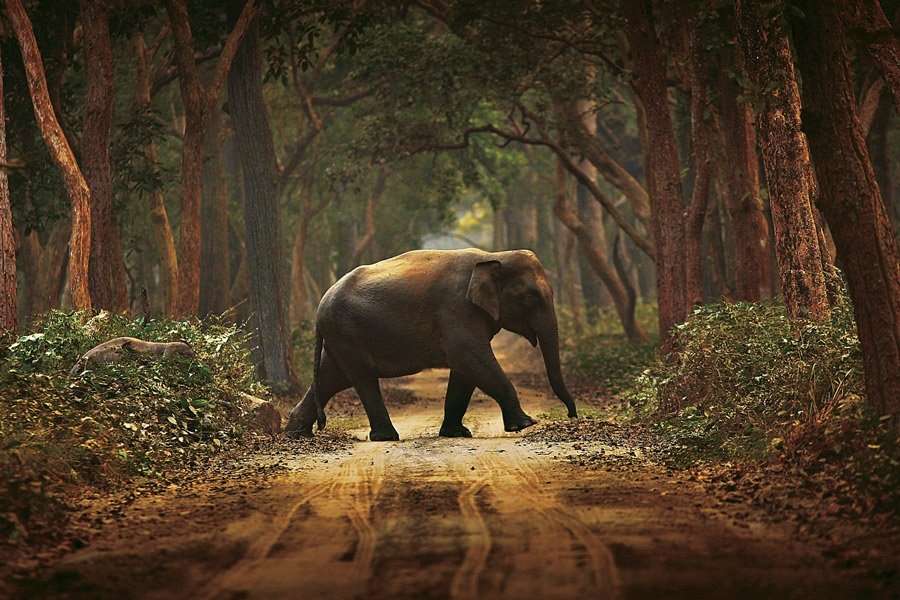
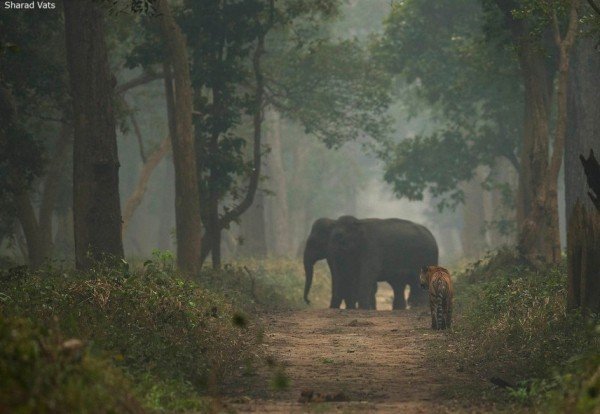
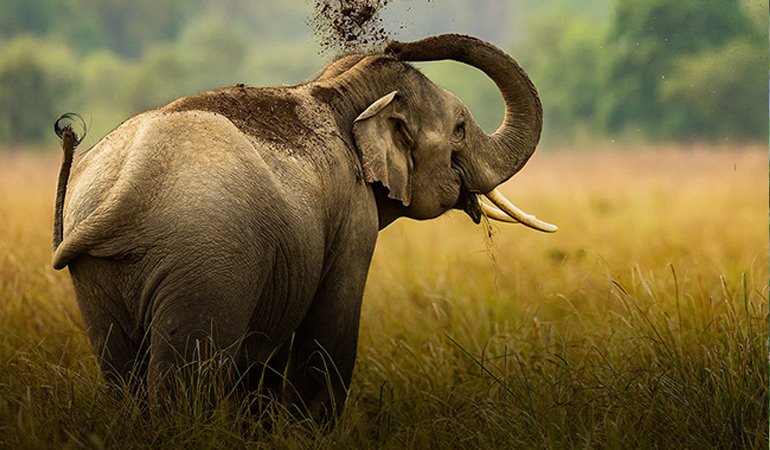
Multi-generation herds drift between Dudhwa and Nepal. Winter mornings often begin with fresh elephant tracks on the park road.
Often near water
The swamp deer — Dudhwa’s special charge. Nearly gone from the rest of India, here the winter grassland herds still number in the hundreds.
Rare & protected
Ducks, geese, fishing eagles, painted storks and the great hornbill. The winter migrants arrive with November.
Peak: Nov–MarSal and asna hold the higher ground; phalaris thatch fills the grassland basins; riverine strips of jamun and khair line the Suheli and Mohana. The mix is what makes Dudhwa special — three kinds of country in one drive.
Nothing is guaranteed in a forest. Two full days of safaris give you good odds on tiger and elephant — barasingha and birds are almost certain in season.
A few frames from the park — tigers in the thatch, elephants on the move, and forest you can nearly smell from the jeep.


Pick the season that fits you: sightings, empty roads, or a smaller bill.
November – March
October & April
May – September
| Month | Temperature | Wildlife activity | Best for |
|---|---|---|---|
| November | 15–28°C | High | Tiger & bird watching |
| December | 10–25°C | Very high | Family tours, photography |
| January | 8–22°C | Very high | All activities |
| February | 12–26°C | High | Comfortable safaris, dry grass sightings |
| March | 18–32°C | Medium | Early-morning drives |
The park is in Lakhimpur Kheri district, about 220 km from Lucknow and a short hop across the border from Nepal.
Lucknow (LKO) — 230 km, 5–6 hrs by road. International and domestic flights from everywhere.
Dhangadhi (Nepal) — 40 km, about an hour. Small airstrip with flights from Kathmandu; handy if you’re coming from Nepal.
Dudhwa station — 8 km from the main gate.
Palia Kalan — 25 km from the gate, better-connected.
Trains run in from Delhi, Mumbai, Kolkata and Lucknow.
Delhi — 430 km via NH30, 8–9 hrs.
Lucknow — 220 km via NH730, 5–6 hrs.
Bareilly — 170 km, 4–5 hrs.
The last 25 km from Palia Kalan to the gate is a pleasant drive through fields and thatch.
We can arrange a car from Lucknow, Bareilly or Palia Kalan with your package — ask when booking — +91 82850 17060.
| Nearest airport | City | Distance | Type | Action |
|---|---|---|---|---|
| Chaudhary Charan Singh Intl. | Lucknow | ~230 km | International | Book transfer |
| Dhangadhi Airport | Dhangadhi, Nepal | ~40 km | Domestic (Nepal) | Book transfer |
| Gorakhpur Airport | Gorakhpur | ~300 km | Domestic | Book transfer |
The five things everyone asks us before booking.
November to March, when mornings are dry and animals gather at the water. If you want empty roads, come late February — sighting odds stay high while the jeeps thin out. The park is closed through the monsoon, roughly mid-June to mid-November.
Call or WhatsApp us at +91 82850 17060, or send the booking form above. The core zone has a daily cap on vehicles, so in season we recommend getting your permit and jeep confirmed 3–4 weeks ahead.
Tigers (125+ in the reserve), elephant herds, barasingha, leopards, sloth bears, hog deer and sambar — plus 400+ bird species. Tigers and elephants are the headline sightings; barasingha near the grassland is close to guaranteed in season.
₹1,500 per person for a morning or evening drive and ₹2,800 for a full day. On top: ₹500 per person forest entry and ₹3,000 per jeep (up to 6 seats). Group rates kick in from 6 guests.
Yes. The jeep is private to your group, guides are forest-trained, and we keep the pace gentle for kids. Most family bookings pair a drive with a nature walk and a campfire evening — mention ages when you book.